How to plan an autism friendly party
An autism friendly party is one your child can enjoy without being overwhelmed: they know what will happen, the music and lights stay gentle, and there’s somewhere calm to go. Here’s how to plan one, step by step, from a DJ who has run Special Needs Discos across Norfolk, Suffolk, Cambridgeshire and Lincolnshire.
Why plan an autism friendly party?
Many autistic children love a party, but the things that make a party exciting can also make it hard: loud music, flashing lights, crowds, waiting and sudden changes. Planning an autism friendly party isn’t about making it dull. It’s about taking the surprises out, so your child has the energy to enjoy the fun parts.
The same ideas help children with ADHD, sensory processing differences, anxiety or learning disabilities, and they make the party calmer for everyone else too. Every child is different, so use what fits yours and leave the rest.
Prepare your child before the day
Knowing what will happen is the biggest help. A week or so before the party, start talking about it, and use pictures rather than just words.
- Read a picture story together. The Going to a Party picture story tells your child, in their own words, whose party it is, what happens, what they can do if it’s too loud and who takes them home. Add your own photos of the venue for the best results.
- Show the plan in pictures. A visual party timetable shows each part of the party in order, from arriving to home time.
- Write an All About Me page. An All About Me profile tells the host and the DJ what your child loves, what they find hard and what helps.
- Visit the venue if you can. Even a quick look at the door, the hall and the toilets makes the day feel familiar.
Choosing a calm venue and setting up the room
A good autism friendly party venue doesn’t need to be special, but a few things make a big difference:
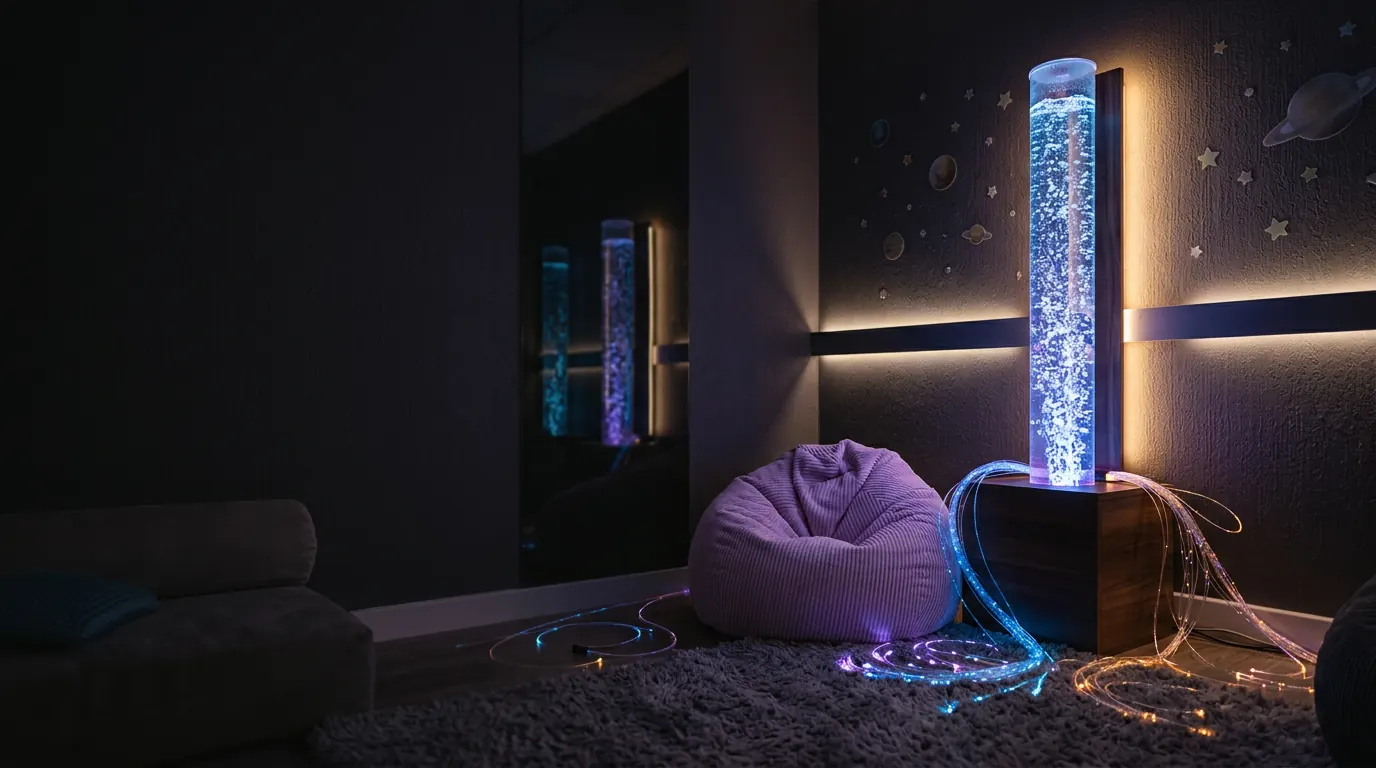
- A quiet room. A separate, dimmer space with cushions, a few fidget toys and a grown-up nearby, where any child can take a break.
- Clear signs. Print a Quiet room sign, an Ear defenders sign and signs for the toilets and the way out with the sensory signs and communication cards tool.
- Space to move away. A room big enough that children can step back from the dance floor without leaving.
- Step-free access and accessible toilets, if any of your guests need them.
- Natural light where possible, and no flickering fluorescent tubes in the quiet room.
Music and lights at an autism friendly party
This is where a disco can make or break the party, and where a good DJ helps most. Things to agree beforehand:
- Start quiet and build up. Going straight in at full volume is the most common reason children cover their ears and leave.
- Gentle lights. Slow, soft colour changes rather than strobe or fast flashing, which matters even more for children with photosensitive epilepsy.
- A warning before loud moments. The Happy Birthday song, party poppers and the end of a game are the usual surprises. A quick heads-up makes a real difference.
- Their favourite songs. A familiar song helps a child settle, join in or calm down again.
Put all of this in one place with the free Music and Lights Plan for the DJ and send it to Tim on WhatsApp or by email. Tim’s Sensory-Friendly Disco Mode is included at no extra cost: less strobe and flash, a clear warning before any flash effect, volume agreed beforehand and games adapted so wheelchair users join in fully.
On the day of the party
- Arrive early, before the room fills up, so your child can settle while it’s quiet.
- Show what’s now and what’s next. Tick off the timetable as you go, and use a visual countdown timer before changes such as the end of the disco.
- Give simple choices. A picture choice board lets your child tap or point to what they want, such as dancing or colouring, juice or water.
- Keep communication cards handy so they can show I need a break, Too loud or Toilet when words are hard.
- Let them watch. Standing at the side, near the DJ or in the doorway still counts as joining in.
- Bring ear defenders and a favourite comfort item, and agree a signal for when they need to leave the room.
Tip from Tim: ask for a warning before the Happy Birthday song. It’s usually the loudest, most sudden moment of a children’s party.
Food, games and going home
Keep food familiar and label it clearly: the free food labels with allergens show all 14 allergens. For games, choose ones nobody is knocked out of: every party games card has an everyone-can-play version. Tell your child when home time is coming, and plan a quiet evening afterwards, as even a good party is tiring.
Free tools for an autism friendly party
All free, with no sign-up. What you type stays on your own device.
- Music & Lights Plan for the DJVolume, lights, what to avoid and their favourite songs, sent to Tim.
- “Going to a Party” Picture StoryA short story in your child’s words, with your own photos.
- Visual Party TimetableThe party in pictures, printed or on a tablet.
- Picture Choice BoardTwo to four pictures to tap or point at.
- Sensory Signs & CardsQuiet room signs and “I need a break” cards.
- All About Me ProfileOne page for the host and the DJ.
- Visual Countdown TimerA calm circle that empties, with no flashing.
- Invitation MakerWith one-tap inclusive lines for your guests.
- Party Games CardsEvery game has an everyone-can-play version.
Questions about autism friendly parties
What makes a party autism friendly?
An autism friendly party is planned so an autistic child knows what to expect and can manage the noise, lights and crowds. That usually means preparing them beforehand with pictures, keeping the music and lights gentle, giving a warning before loud moments, having a quiet room for breaks and keeping the party short and predictable.
Can a disco be autism friendly?
Yes. Ask for Tim's Sensory-Friendly Disco Mode, included at no extra cost: less strobe and flash, a clear warning before any flash effect, volume agreed beforehand and games adapted so wheelchair users join in fully. Send him your child's Music and Lights Plan before the day.
How long should an autism friendly party be?
Shorter is usually better. Around one and a half to two hours suits many children, with a clear end time they know about in advance. Start with a calm activity rather than going straight into loud music.
Are the planning tools free?
Yes. Every tool on this page is free, with no sign-up. What you type is kept only on your own device, and nothing is sent unless you choose to send it.
For more on autism, the National Autistic Society has advice and support for families.
Rated 4.9 out of 5 from more than 250 reviews · Norfolk’s Only Trading Standards Approved DJ